
The future of sustainable living is not only about electric vehicles or green buildings. It is also about how intelligently our everyday spaces function.
Modern offices are evolving into smart ecosystems where automation works silently in the background to improve efficiency, comfort, and energy management. Whether it is automated lighting, climate control, fan automation, or roller blinds for office environments, businesses are increasingly adopting technologies that help create greener and more adaptive workplaces.
Beyond convenience, automation is becoming an important step toward reducing energy waste and building workspaces that align with the growing demand for sustainability.
Understanding Sustainable Automation
Sustainable automation is all about using smart technology to create spaces that consume less energy, function more efficiently, and offer greater comfort with minimal manual intervention. Instead of relying on people to constantly adjust lights, fans, air-conditioning, or window coverings, automated systems intelligently manage these functions based on real-time conditions.
In modern workplaces, automation goes far beyond convenience. Smart lighting systems can dim when enough natural light enters the office, automated fans can regulate airflow based on occupancy, and roller blinds for office spaces can adjust automatically to control sunlight and indoor temperature throughout the day.
Optimising Natural Light with Automated Solutions
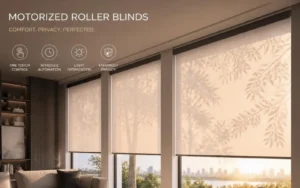
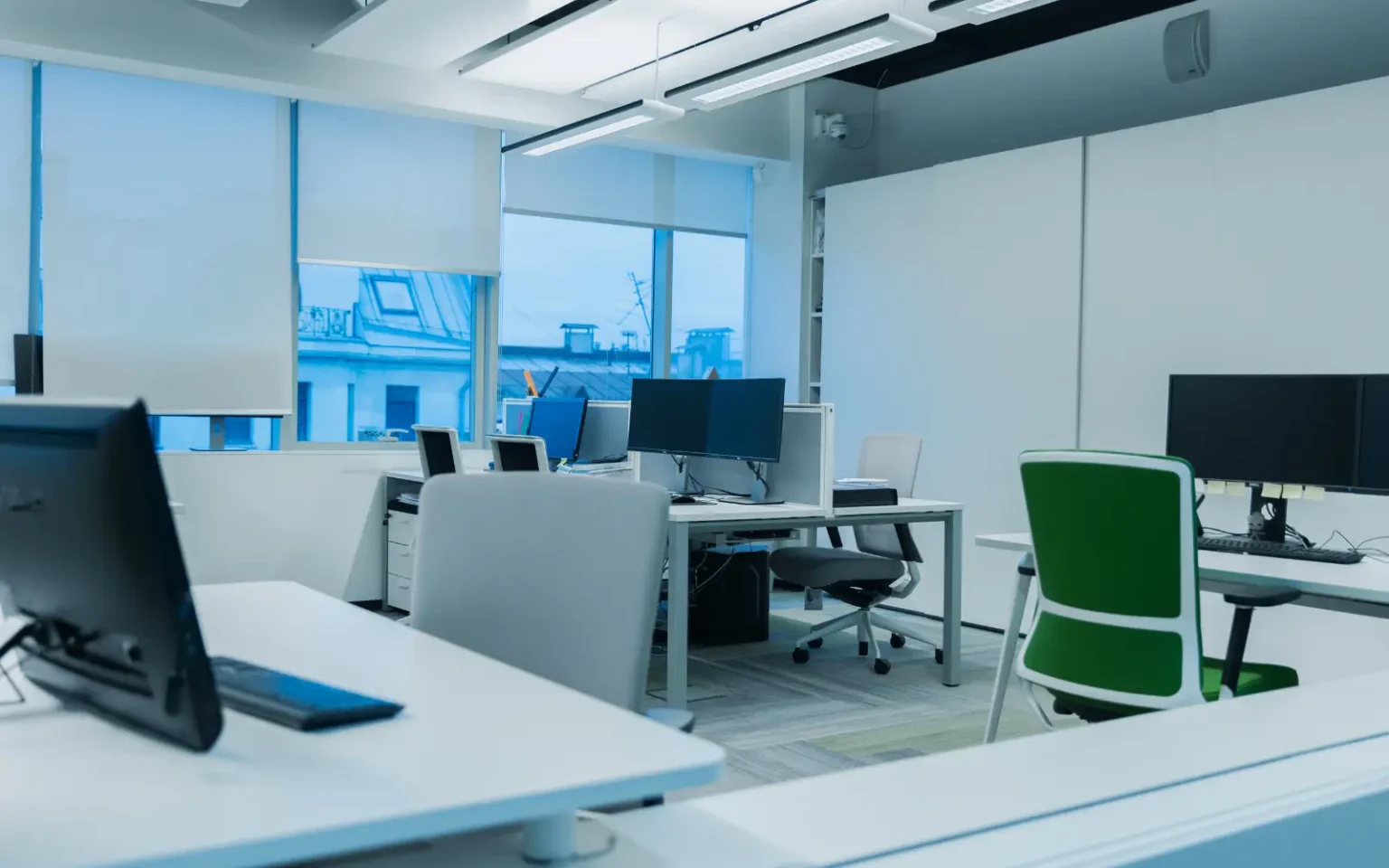
Advanced roller blinds for office environments can automatically adjust based on sunlight intensity, time of day, or customised schedules. This intelligent control helps maintain comfortable indoor lighting while minimising solar heat gain during warmer hours.
At the same time, smart lighting systems can respond to available daylight by adjusting brightness levels automatically. Together, these automation systems create a workspace that feels naturally illuminated, energy-efficient, and consistently comfortable.
How Automation Improve Workplace Comfort
Workplace comfort is no longer viewed as an added luxury. It has become an essential part of creating productive and employee-friendly office environments. Smart automation systems help achieve this effortlessly.
From intelligent lighting and temperature control to automated ventilation and roller blinds for office spaces, modern automation solutions continuously adapt to changing workplace conditions. Harsh sunlight can be controlled automatically, indoor temperatures can remain balanced throughout the day, and lighting conditions can adjust according to occupancy and natural daylight availability.
Smart Scheduling and Energy Management
Automation systems allow businesses to control different office functions intelligently through customised schedules and sensors. Lighting systems can switch off automatically after office hours, fan automation can regulate airflow based on occupancy, and roller blinds for office spaces can adjust throughout the day to optimise sunlight and indoor temperature.
Instead of operating continuously, these systems work only when needed. This helps reduce unnecessary energy consumption while maintaining a comfortable environment for employees.
Why Businesses Are Investing in Smart Office Automation
Today’s offices are expected to do more than simply provide a working environment. They are expected to operate intelligently, optimise energy usage, and create seamless user experiences. This is why businesses are increasingly adopting automated solutions such as intelligent lighting systems, climate automation, fan control systems, and roller blinds for office spaces.
Beyond convenience, automation offers measurable long-term benefits. Energy-efficient systems help reduce electricity costs, while automated workplace environments contribute to improved comfort and productivity. In addition, smart automation enhances the overall appearance and functionality of commercial spaces, giving businesses a more modern and technologically advanced identity.
Sustainable Architecture and Future Workspaces
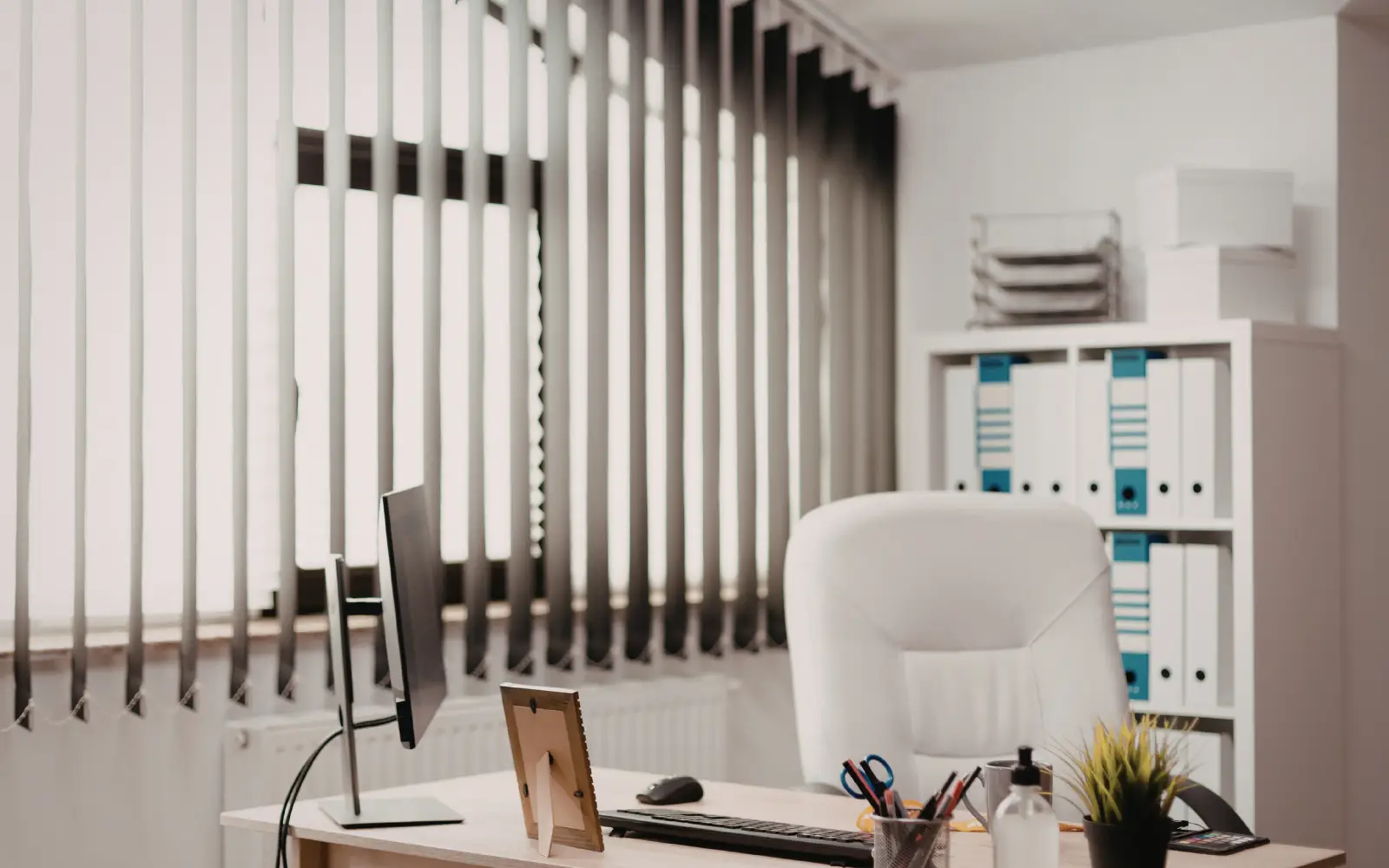
The future of workplace design is becoming increasingly connected to sustainability and intelligent automation. Modern architecture is no longer focused only on aesthetics; it is now designed around energy efficiency, employee wellbeing, and smarter space management.
This shift has encouraged businesses and architects to integrate automation directly into office infrastructure from the very beginning. Features such as automated lighting systems, smart climate control, fan automation, and roller blinds for office spaces are becoming essential elements in creating future-ready work environments.
FAQ’s
Q1. Can automation work during power cuts?
Yes, most systems restore settings automatically once power returns.
Q2. Are automated blinds suitable for small offices?
Yes, roller blinds for office spaces work well in offices of all sizes.
Q3. Do automation systems need frequent maintenance?
No, they are designed for minimal maintenance.
Q4. Is automation only about saving electricity?
No, it also improves comfort and convenience.
Q5. Can automation improve employee comfort?
Yes, it creates a more balanced work environment.
Conclusion
Smart automation is redefining what sustainable workplaces look and feel like. Offices are no longer expected to simply function well; they are expected to operate intelligently, reduce energy waste, and create more comfortable experiences for the people within them.
By integrating solutions such as smart lighting, fan automation, climate control, and roller blinds for office spaces, businesses can create work environments that are efficient, modern, and future-ready. In the years ahead, automation will continue playing a major role in shaping sustainable architecture and smarter workplace living.