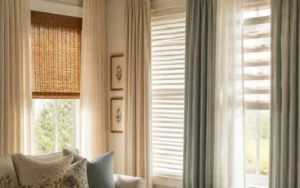

Choosing between window blinds and curtains is one of the most important decisions in any home or office design project. The right window covering affects your privacy, energy bills, lighting, and even the overall ambience of a room. This guide breaks down everything you need to know: materials, costs, functionality, and automation options so you can make a confident, informed choice.
Why Window Blinds and Curtains Matter More Than You Think
Window treatments do far more than decorate a room. They regulate natural light, provide privacy from the outside world, insulate against heat and cold, and contribute significantly to a space’s overall style. With energy costs rising and smart-home adoption growing, more homeowners are re-evaluating whether traditional curtains, modern blinds, or a combination of both best suits their needs.
Window Blinds and Curtains: Key Differences
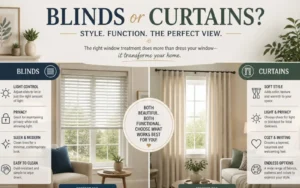
Understanding the fundamental differences between window blinds and curtains will help you decide which option or combination works best for each room.
| Feature | Window Blinds | Curtains |
| Light Control | Precise, adjustable via slats or panels | General, based on fabric thickness |
| Privacy | High, with full slat closure | Moderate to high, depends on fabric |
| Maintenance | Easy to wipe down | Requires washing or dry cleaning |
| Style Options | Modern, minimalist, structured | Soft, decorative, versatile |
| Automation Potential | Excellent for motorisation | Excellent for motorisation |
| Lifespan | 7–10 years on average | 3–5 years on average |
| Best For | Offices, kitchens, bathrooms | Bedrooms, living rooms, formal spaces |
Types of Window Blinds
Not all blinds are created equal. Here’s a breakdown of the most popular styles available today:
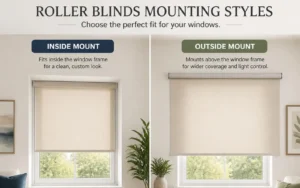
● Roller Blinds – A single piece of fabric that rolls up and down, sleek, space-saving, and easy to automate.
● Venetian Blinds – Horizontal slats (wood, faux wood, or Aluminum) that tilt for adjustable light control.
● Vertical Blinds – Ideal for large windows and sliding doors, offering smooth light diffusion.
● Roman Blinds – Fabric folds into soft horizontal pleats when raised, blending the softness of curtains with the structure of blinds.
● Zebra/Dual Shades – Alternating sheer and solid fabric bands that shift between privacy and openness.
● Honeycomb (Cellular) Shades – Air-pocket design that improves insulation and energy efficiency.
Types of Curtains
Curtains remain a timeless choice, especially when softness and warmth are priorities:
● Sheer Curtains – Lightweight fabric that filters light while maintaining a bright, airy feel.
● Blackout Curtains – Thick, lined fabric designed to block nearly all incoming light – ideal for bedrooms and media rooms.
● Thermal Curtains – Insulated lining that helps regulate indoor temperature and reduce energy costs.
● Sheer-and-Blackout Combinations – Layered curtains offering flexibility between daytime brightness and nighttime privacy.
How to Choose Between Window Blinds and Curtains
When deciding between window blinds and curtains, consider the following factors:
Room Function – Bathrooms and kitchens benefit from moisture-resistant blinds, while bedrooms and living rooms often suit curtains or a layered approach.
Climate and Insulation Needs – Cellular shades and thermal curtains both improve energy efficiency, but perform differently depending on your climate.
Light Sensitivity – If you need precise, adjustable light control throughout the day, blinds offer more flexibility than curtains alone.
Maintenance Preferences – Blinds are simpler to clean; curtains require more regular washing but add textile warmth.
Budget – Blinds are generally more cost-effective upfront, while curtains span a wide range of prices depending on fabric quality.
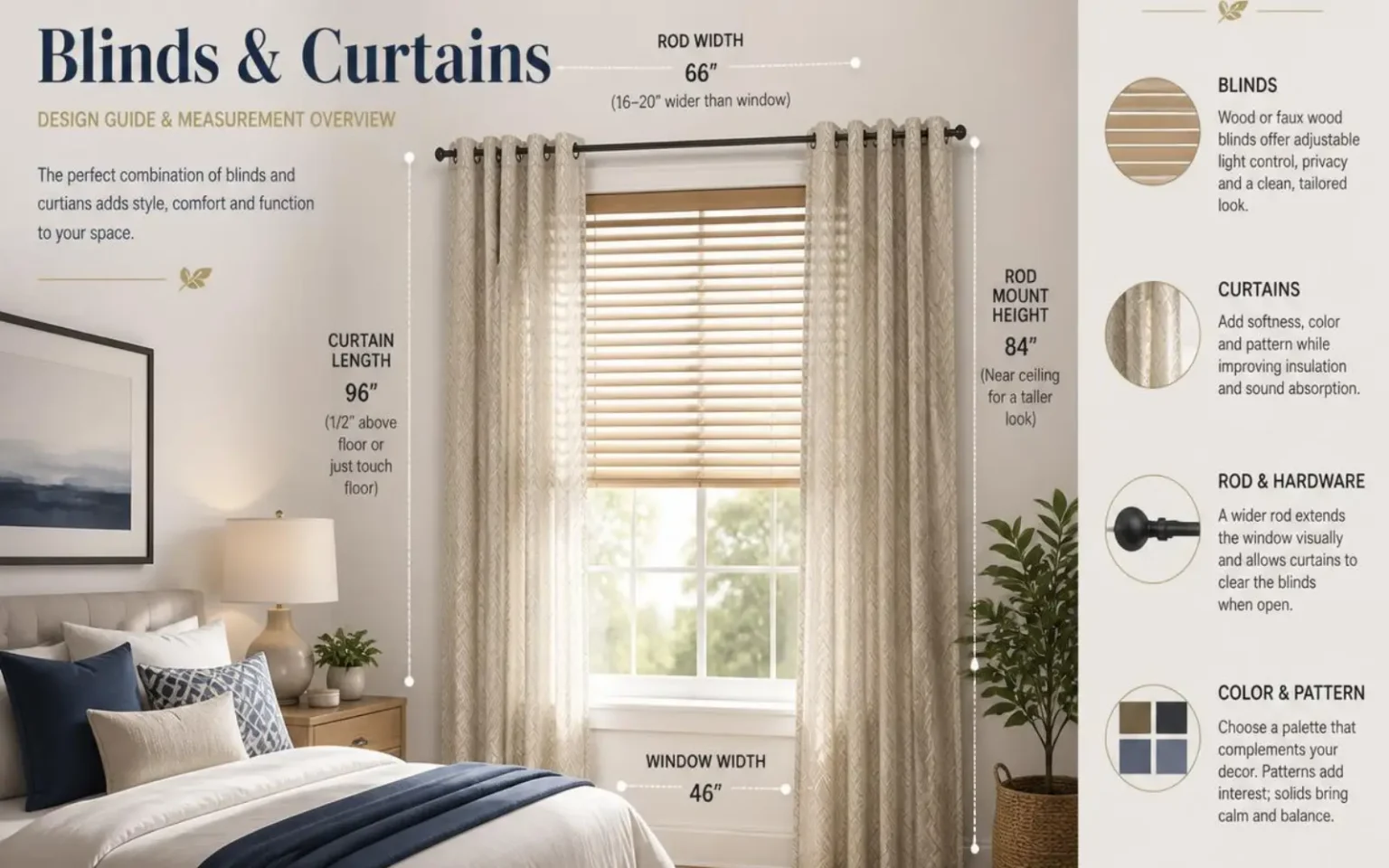
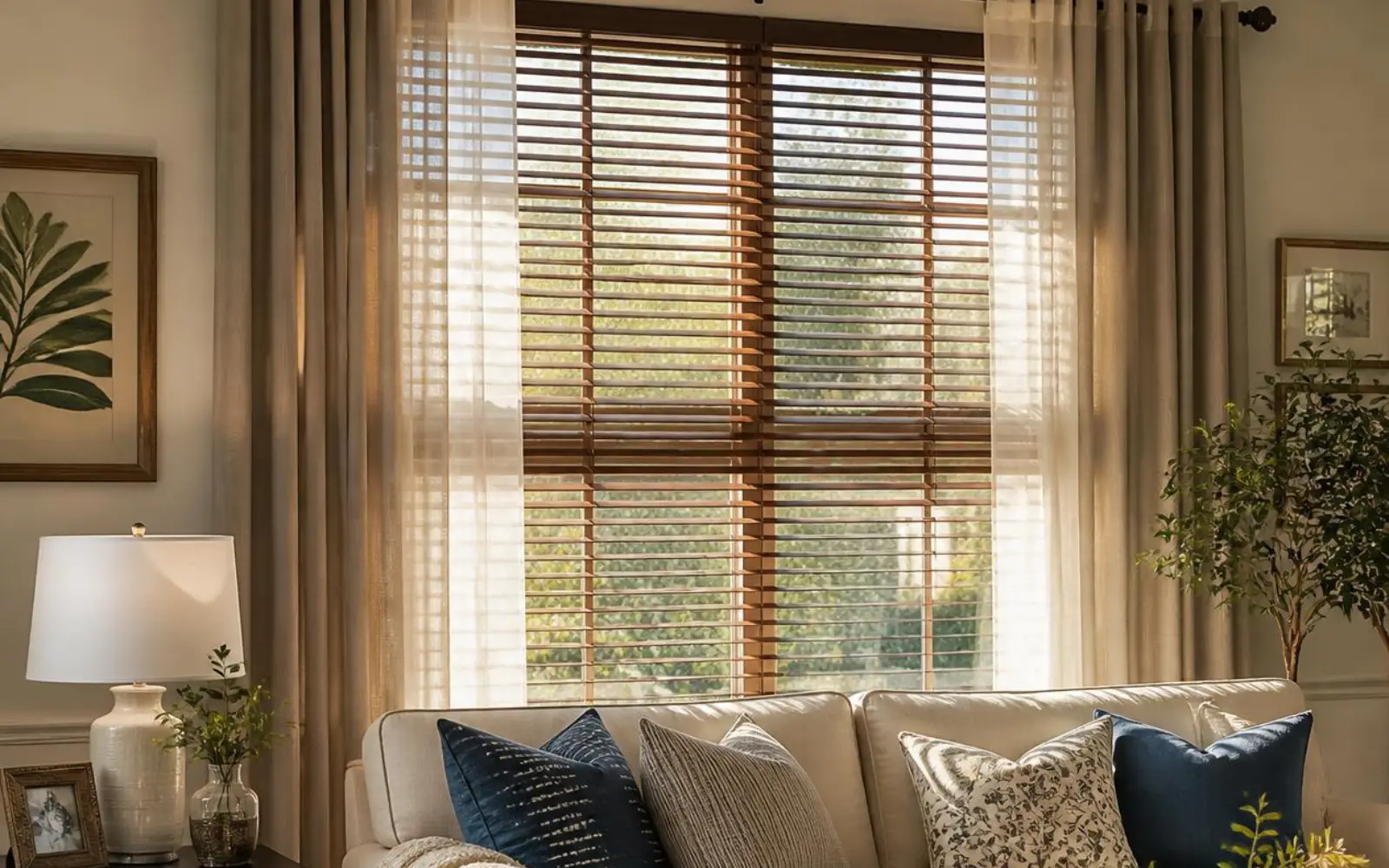
Design Goals – Many designers now recommend combining both blinds for functional light control, curtains layered on top for texture and softness.
The Rise of Motorised Window Blinds and Curtains
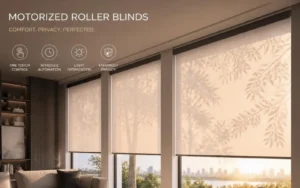
One of the biggest shifts in the window covering industry is the move toward smart, motorised systems. Motorised window blinds and curtains allow homeowners to:
● Schedule automatic opening and closing based on time of day
● Control window coverings remotely via smartphone apps
● Integrate with smart-home ecosystems (voice assistants, sensors, and home automation hubs)
● Improve energy efficiency by automatically adjusting to sunlight and temperature
● Enhance accessibility for elderly or mobility-limited residents
As a global leader in motorisation technology, Dooya has spent over two decades engineering reliable motors and smart control systems for blinds and curtains alike, helping households and commercial spaces modernise their window coverings without sacrificing style.
Maintenance Tips for Longevity
Proper care extends the life of your window treatments significantly:
● Blinds: Dust weekly with a microfiber cloth; deep-clean slats every 2–3 months with mild soap and water.
● Curtains: Vacuum with an upholstery attachment monthly; follow fabric-specific washing instructions to prevent shrinkage or fading.
● Motorised Systems: Keep motor units free of dust, avoid manual force on automated tracks, and schedule periodic firmware updates if app-connected.
Frequently Asked Questions
Are blinds better than curtains for energy efficiency?
Both can improve energy efficiency depending on material. Cellular shades and thermal-lined curtains are among the top-performing options for insulation.
Can I combine blinds and curtains in the same room?
Yes. Layering blinds with sheer or decorative curtains is a popular design approach that balances function and aesthetics.
Are motorised blinds and curtains worth the investment?
For most households, motorisation pays off through improved energy management, convenience, and accessibility, particularly when paired with a trusted automation brand.
Final Thoughts
Whether you choose window blinds, curtains, or a thoughtful combination of window blinds and curtains, the right window covering should align with your room’s function, your climate, and your lifestyle. As smart-home technology continues to evolve, motorised solutions are increasingly bridging the gap between classic design and modern convenience, offering homeowners the best of both worlds.
If you’re ready to explore smart, reliable window covering automation, Dooya’s motorisation solutions are designed to bring precision, convenience, and energy efficiency to any window blinds and curtains setup.