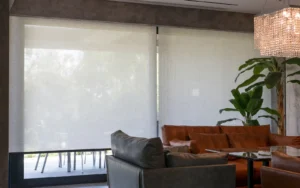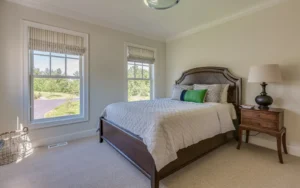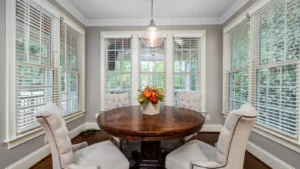

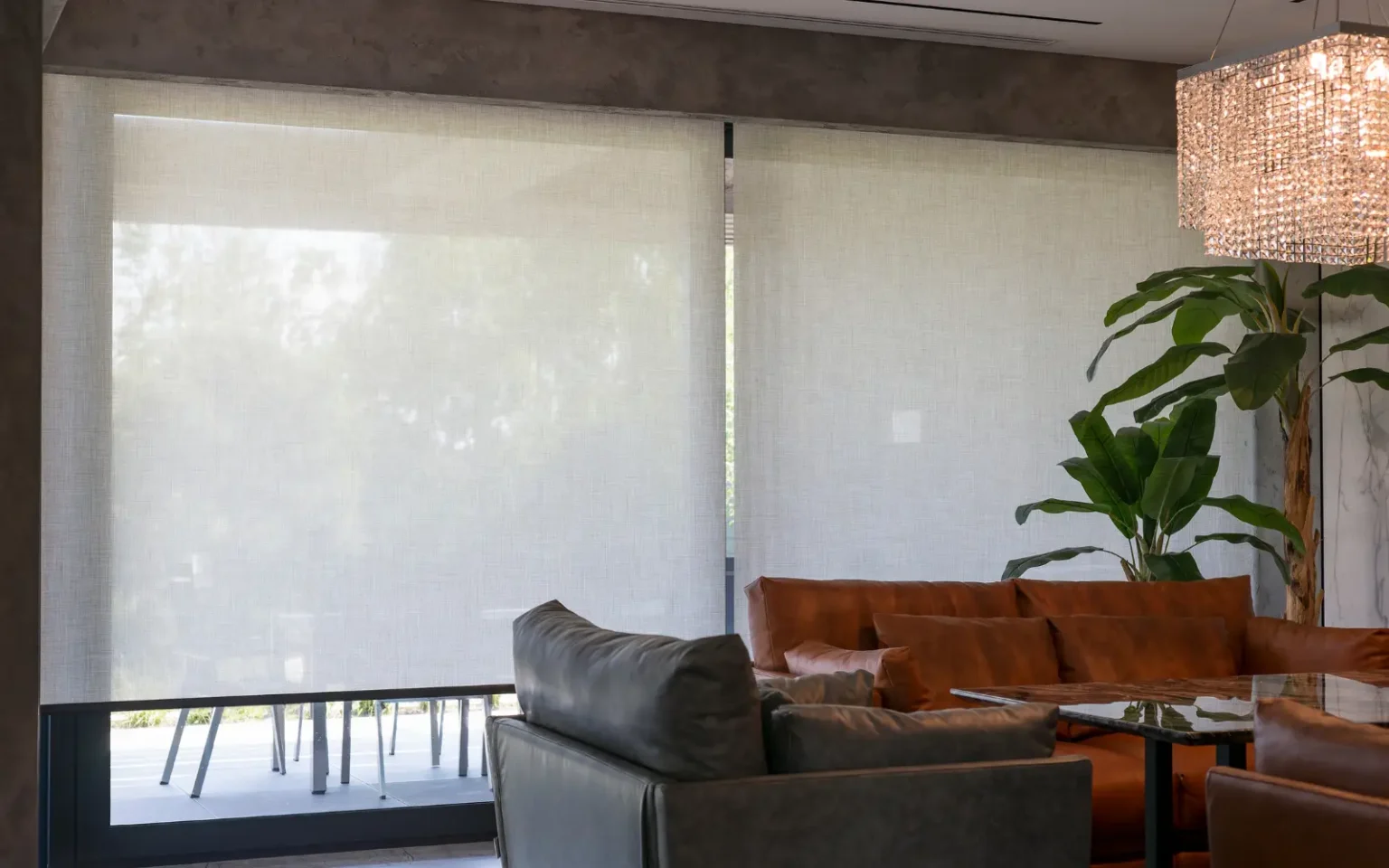
Window treatments are a key element of interior design, influencing both the aesthetic appeal and functionality of a space. Among the many options available today, roller blinds for windows have become one of the most popular choices for modern homes and offices. Their sleek design, smooth operation, and versatility make them ideal for a wide range of window styles.
However, the effectiveness of roller blinds depends heavily on proper installation. Even the highest-quality blinds can fail to deliver their full benefits if they are incorrectly measured, poorly mounted, or misaligned during installation.
This comprehensive guide explains how to ensure perfect installation of roller blinds for windows, covering everything from measuring and mounting options to motorised automation systems. Whether you are installing blinds in a new home or upgrading existing window coverings, these expert tips will help you achieve a flawless finish.
Why Proper Installation of Roller Blinds for Windows Matters
Many homeowners focus on choosing the right design and fabric for roller blinds but overlook the importance of correct installation.
Properly installed Roller Blinds for Windows provide several advantages:
Improved Light Control
Correct alignment ensures the blinds cover the window fully and block unwanted sunlight effectively.
Better Privacy
A well-fitted blind prevents gaps that could compromise privacy.
Smooth Operation
Accurate installation allows the blind mechanism to roll up and down effortlessly.
Enhanced Interior Appearance
Professionally installed blinds create a neat and balanced look that enhances the room’s decor.
Longer Lifespan
Proper mounting reduces strain on the mechanism, helping the blinds last longer.
Understanding Roller Blinds for Windows
Before installation, it is important to understand how roller blinds work and what components are involved. Roller blinds for windows consist of a single piece of fabric that rolls around a cylindrical tube. The blind can be raised or lowered using a chain mechanism, spring system, or motorised control.
Key components of roller blinds
- Roller tube – Holds the fabric and allows smooth rolling
- Fabric panel – The visible material that covers the window
- Mounting brackets – Secure the blind to the wall or window frame
- Control mechanism – Chain, spring, or motor used to operate the blind
- Bottom bar – Provides weight and keeps the blind straight
Understanding these components helps ensure correct installation.
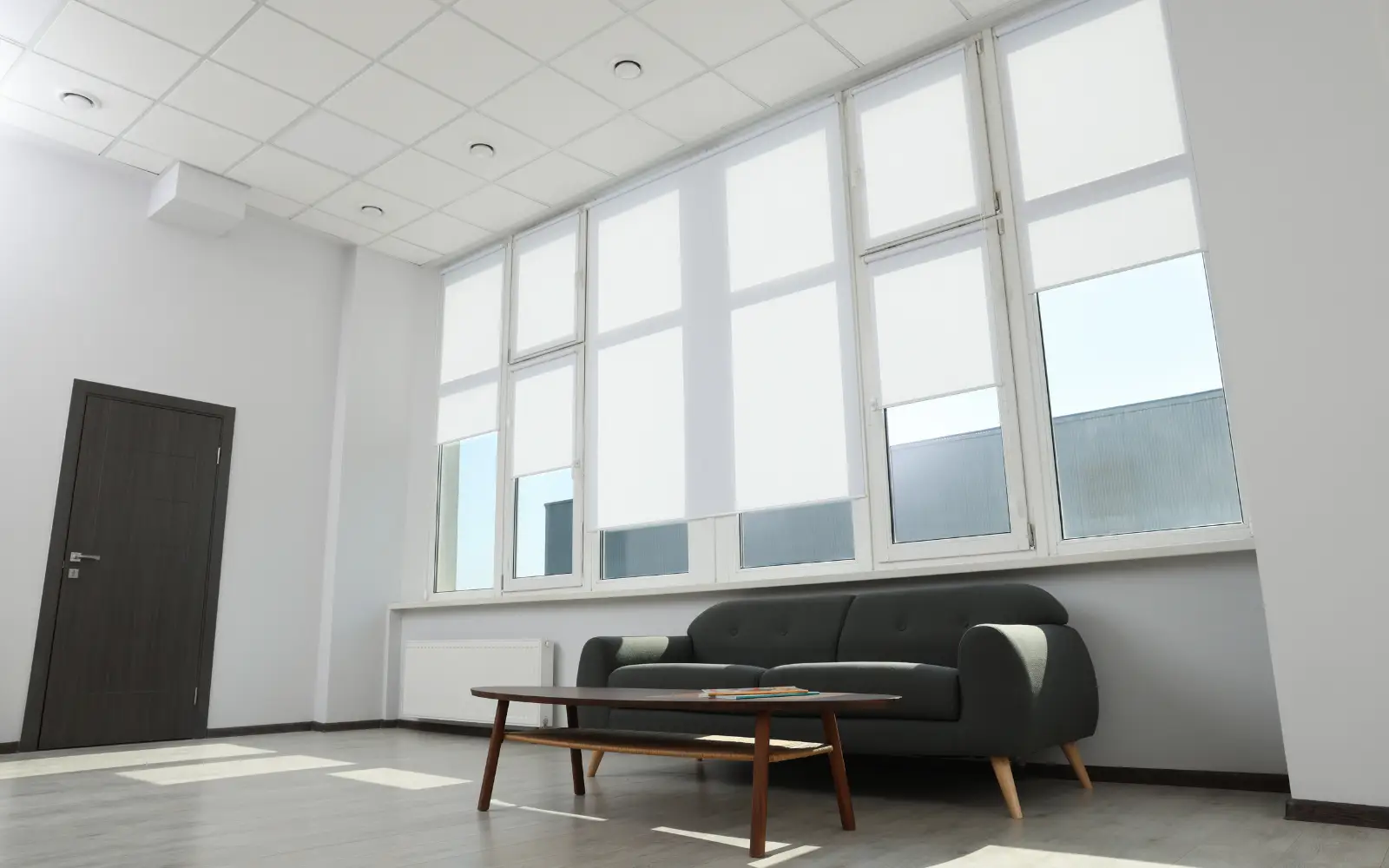
Step 1: Measure Your Windows Accurately
Accurate measurements are the foundation of perfect installation.
Incorrect measurements are one of the most common causes of poorly installed roller blinds for windows.
Tools Required:
- Measuring tape
- Pencil
- Notepad
- Spirit level
Measurements to Take
| Measurement | Description |
| Width | Distance across the window opening |
| Height | Distance from the top of the frame to the bottom |
| Depth | Required for inside mount installation |
Take measurements at multiple points because window frames may not always be perfectly square.
Step 2: Choose the Right Mounting Option
There are two primary installation styles for roller blinds for windows.
Inside Mount Installation
Inside mount blinds are installed within the window frame.
Advantages
- Clean and minimalist appearance
- Shows more of the window frame
- Ideal for modern interiors
Requirements
- Sufficient frame depth
- Precise measurements
Outside Mount Installation
Outside mount blinds are installed on the wall above the window or on the frame itself.
Advantages
- Better light blocking
- Makes windows appear larger
- Ideal for shallow window frames
Comparison Table
| Feature | Inside Mount | Outside Mount |
| Appearance | Minimalist | Bold |
| Light Blocking | Moderate | Excellent |
| Installation | Precise measurements required | More flexible |
Choosing the correct mount style ensures the best results for roller blinds for windows.
Step 3: Select the Correct Roller Blind Size
The size of your blind should match the window type and installation style.
Inside Mount Guidelines
- Blind width should be slightly smaller than frame width
- Height should match the window opening
Outside Mount Guidelines
- Add 5–10 cm extra width on each side for better coverage
- Install the blind slightly above the window frame
This ensures your Roller Blinds for Windows provide maximum light control and privacy.
Step 4: Install the Mounting Brackets Correctly
Mounting brackets are essential for supporting the roller blind mechanism.
Installation Tips
- Mark bracket positions carefully
- Use a spirit level to ensure alignment
- Drill pilot holes before inserting screws
- Ensure both brackets are at the same height
Incorrect bracket placement can cause the blind to roll unevenly.
Step 5: Secure the Roller Tube and Fabric
Once the brackets are installed, the roller tube can be mounted.
Installation Steps
- Insert the roller tube into the brackets
- Ensure the control mechanism faces the correct side
- Lock the roller into place
- Test the rolling movement
Proper alignment ensures smooth operation of Roller Blinds for Windows.
Step 6: Test the Blind Operation
Before completing the installation, test the functionality of the blinds.
Check the Following
- Smooth rolling movement
- Proper alignment with the window frame
- Secure mounting brackets
- Even fabric tension
If the blind tilts to one side, adjust the bracket alignment.
Common Installation Mistakes to Avoid
Even small installation errors can affect the performance of roller blinds for windows.
1. Incorrect Measurements
Always measure multiple times to ensure accuracy.
2. Uneven Brackets
Misaligned brackets cause blinds to roll unevenly.
3. Choosing the Wrong Mount
Selecting the wrong mounting style can affect light control and appearance.
4. Poor Wall Anchoring
Weak screws or anchors can cause blinds to loosen over time.
Avoiding these mistakes helps ensure professional-quality installation.
Motorised Roller Blinds for Windows
Modern homes increasingly prefer motorised roller blinds for convenience and smart home integration.
Motorised roller blinds for windows use advanced motors to automate opening and closing.
Benefits of Motorised Blinds
- Remote control operation
- Smartphone app integration
- Voice assistant compatibility
- Automatic scheduling
- Cordless safety
Motorisation eliminates the need for manual chains and provides seamless operation.
Smart Installation Tips for Motorised Roller Blinds
Installing motorised roller blinds for windows requires additional planning.
Consider the Following
- Power supply availability
- Motor placement
- Smart home integration compatibility
- Remote control setup
Motorised blinds are particularly beneficial for:
- Large windows
- Hard-to-reach windows
- Smart home environments
Choosing the Right Fabric for Roller Blinds
The fabric you select affects both appearance and functionality.
Popular Fabric Options
| Fabric Type | Benefits |
| Blackout | Blocks nearly all light |
| Sunscreen | Reduces glare while allowing visibility |
| Light Filtering | Softens natural light |
Choosing the right fabric ensures your roller blinds for windows perform effectively in different rooms.
Maintenance Tips After Installation
Proper maintenance ensures your roller blinds for windows remain functional and attractive.
Cleaning Tips
- Dust regularly with a microfiber cloth
- Vacuum gently with a brush attachment
- Spot clean stains with mild detergent
Care Tips
- Avoid pulling the chain too quickly
- Keep blinds dry
- Check brackets periodically
These simple steps help extend the life of your blinds.
Why Motor Technology Matters for Roller Blinds
When installing motorised blinds, choosing reliable motor technology is essential.
High-quality motors ensure:
- Quiet operation
- Smooth rolling motion
- Long-lasting performance
- Smart home compatibility
Trusted motor solutions enhance the functionality of roller blinds for windows and provide a better user experience.
Future Trends in Roller Blinds for Windows
Window covering technology continues to evolve.
Emerging trends include:
- Smart home automation
- Sensor-based blinds
- Energy-efficient fabrics
- App-controlled window systems
These innovations are transforming roller blinds for windows into intelligent home features.

FAQ’s
1. Why is proper installation important for roller blinds for windows?
Proper installation ensures smooth operation, better light control, improved privacy, and longer durability of roller blinds for windows.
2. What measurements are needed before installing roller blinds for windows?
You need accurate width, height, and frame depth measurements to ensure the roller blinds for windows fit perfectly.
3. What is the difference between inside mount and outside mount roller blinds?
Inside mount roller blinds fit within the window frame, while outside mount roller blinds are installed above or outside the frame for better coverage
4. How do I maintain roller blinds for windows after installation?
Regular dusting, gentle vacuuming, and occasional spot cleaning help maintain roller blinds for windows.
5. Are roller blinds for windows suitable for smart homes?
Motorised roller blinds for windows can integrate with smart home systems for automated light and privacy control.
Conclusion
Perfect installation is essential to get the best performance from roller blinds for windows. From accurate measurements and proper mounting to selecting the right fabric and installation style, every step plays an important role in achieving a flawless result.
When installed correctly, roller blinds offer excellent light control, privacy, and a sleek modern appearance. With the added benefits of motorised automation and smart home integration, they are becoming an essential feature of contemporary interiors.
By following the expert tips outlined in this guide, homeowners and designers can ensure their roller blinds for windows deliver long-lasting functionality, comfort, and style. Properly installed roller blinds not only enhance the beauty of a space but also create a more convenient and efficient living environment.