

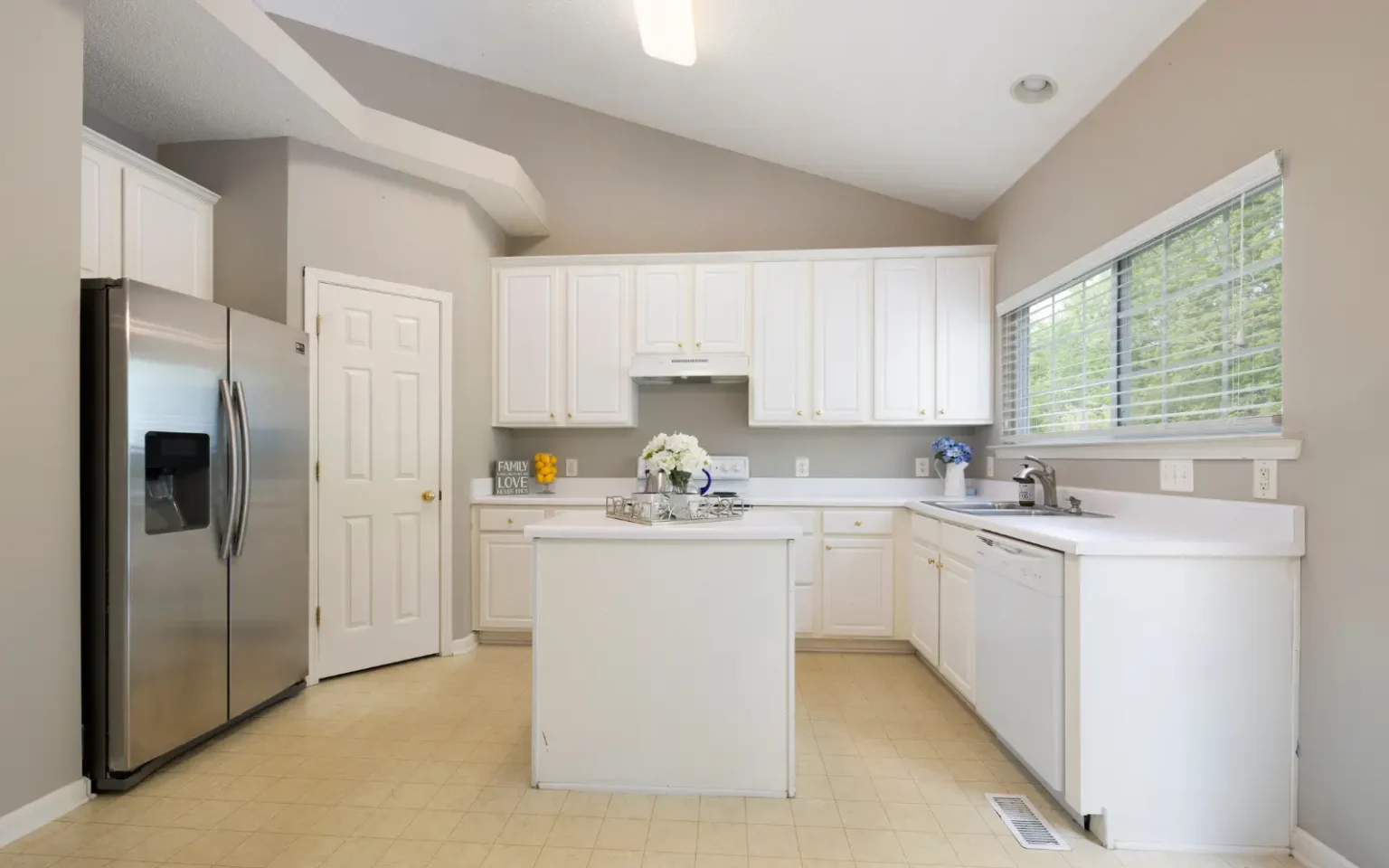
There’s a quiet routine we all follow when it comes to managing light in our spaces. We wake up and draw the window blinds to let the morning sun in. But as the sun gets harsher, we adjust them to reduce glare. By evening, we close them again for privacy. It’s a pattern so familiar that it almost goes unnoticed.
Beneath this routine lies a constant need to respond, to changing light, rising temperatures, and shifting comfort levels throughout the day. And while these adjustments may seem small, they add up to a continuous effort to maintain the perfect indoor environment.
With advancements in automation, window blinds are evolving into intelligent systems that adapt in real time. They no longer rely solely on manual controls or fixed schedules. Instead, they respond to the environment, adjusting themselves based on what’s happening both inside and outside your space.
And this is where the real shift happens. Automated window blind are no longer just about convenience, they’re about creating an environment that works for you, without constant intervention.
Why Sensors Are Essential in Smart Window Blinds
At a basic level, automated window blinds can be programmed to operate at specific times or controlled remotely. While this adds convenience, it doesn’t fully address the dynamic nature of real-world conditions. Sunlight intensity changes throughout the day, temperatures fluctuate, and privacy requirements vary depending on the time and environment.
Sensors bring adaptability into this equation. By continuously capturing real-time data, they enable window blind to respond with precision. Whether it’s adjusting to reduce glare, maintaining indoor comfort by managing heat, or enhancing privacy at the right moments, sensors ensure that every movement is purposeful and timely.
What makes sensors truly essential is their ability to create a balance between comfort, efficiency, and convenience. They ensure that window blinds are not just reacting to commands, but actively optimising the environment throughout the day.
Types of Sensors Used in Window Blinds Systems
Once you understand the role sensors play in automation, the real intelligence of window blinds comes from the variety of sensors working together.
Here’s how different sensors contribute to creating a smarter window blind system:
Light Detection Control System
Light sensors play a key role in managing how much natural light enters your space. They continuously track sunlight intensity and adjust the blinds accordingly.
Temperature Regulation Support System
Temperature sensors help window blinds respond to heat fluctuations, ensuring a more controlled indoor environment. This creates a more energy-efficient space with reduced reliance on cooling or heating systems.
Wind Protection Response System
For outdoor or external window blinds, wind sensors act as a protective mechanism. They detect strong winds and trigger automatic retraction, preventing potential damage.
Weather Adaptation System (Rain Sensors)
Rain sensors are particularly useful for exterior setups, helping window blinds respond to sudden weather changes. When rainfall is detected, the system can retract the blinds to protect materials.
How Light Sensors Optimise Window Blinds Efficiency
Light sensors are at the core of what makes automated window blinds feel truly responsive. Unlike traditional setups that rely on manual adjustments or fixed schedules, light sensors enable blinds to react in real time to the changing intensity of sunlight. This means your blinds are no longer following a preset routine, they are continuously adapting to what’s actually happening outside your window.
As natural light shifts throughout the day, light sensors ensure that your window blinds adjust accordingly. In the morning, they can allow soft daylight to filter in, creating a bright and welcoming atmosphere. As the sun becomes harsher, especially during midday or afternoon hours, the blinds automatically reposition to reduce glare and prevent discomfort.
One of the most noticeable benefits of light sensors is glare control. Whether you’re working on a screen, watching television, or simply relaxing, excessive brightness can be disruptive. Light sensors help window blind fine-tune their position to cut down harsh reflections while still allowing enough natural light to keep the space lively and well-lit.
Another important advantage is the protection of your interiors. Continuous exposure to strong sunlight can cause furniture, flooring, and décor to fade over time. Light sensors ensure that your window blinds adjust proactively, preventing prolonged exposure while still maintaining a natural flow of daylight into the room.
While light sensors play a major role in enhancing visual comfort and efficiency, managing indoor temperature is equally important. This is where temperature sensors come into play, adding another layer of intelligence to automated window blind systems.
Role of Temperature Sensors in Window Blinds Energy Efficiency Management
Temperature sensors play a subtle yet impactful role in making window blinds more energy-efficient. Instead of reacting after a room becomes too hot or too cold, these sensors continuously monitor temperature changes and allow the blinds to adjust proactively. When heat levels rise, especially during peak afternoon hours, the blinds automatically position themselves to block excess sunlight, preventing indoor spaces from overheating.
This simple adjustment significantly reduces the need for air conditioning, helping maintain a more stable indoor temperature without constant manual intervention. Similarly, during cooler periods, window blind can open up to let natural warmth in, reducing the dependency on heating systems. Over time, these small, automated responses contribute to noticeable energy savings.
By managing how much heat enters or leaves a space, temperature sensors ensure that window blinds are not just enhancing comfort, but also actively supporting a more efficient and sustainable way of living.
Benefits of Sensor-Based Window Blinds Systems
Effortless Everyday Comfort
Sensor-based window blinds adjust automatically to changing conditions, eliminating the need for manual intervention. Whether it’s reducing glare or letting in the right amount of light, your space stays comfortable throughout the day.
Consistent Indoor Ambience
Instead of sudden changes in brightness or temperature, sensors ensure gradual and balanced adjustments. This creates a more stable and pleasant indoor environment.
Reduced Wear and Tear
With automated adjustments, there’s less frequent manual handling. This helps maintain the system’s performance and extends the lifespan of your window blinds.
Integration of Sensor-Based Window Blinds with Smart Home Systems
Sensor-based window blinds become even more powerful when integrated with smart home systems. Instead of working in isolation, they connect with devices like voice assistants, mobile apps, and smart hubs, making control more seamless and flexible.
This integration allows your window blind to respond not just to environmental changes, but also to your daily routines. They can open with your morning alarm, adjust when your thermostat detects temperature changes, or close automatically when you switch to a “movie mode” setting.
The result is a more connected and intuitive space, where your blinds work in sync with the rest of your home, balancing automation with personalised control.
Why Sensor Technology Is the Future of Automated Window Blinds
The future of window blinds lies in intelligence, not just automation and that’s exactly what sensor technology brings in. Unlike systems that rely on fixed schedules or manual input, sensor-based blinds adapt in real time to changes in light, temperature, and surroundings.
This responsiveness makes them more efficient, more reliable, and far better suited to modern living. As smart homes continue to evolve, sensors will also enable window blind to align more closely with user preferences and daily routines.
In simple terms, sensor technology is what transforms window blinds from a basic automated feature into a truly smart, future-ready solution.
Tips for Choosing the Right Automated Window Blinds
Understand Your Requirement First
Start by identifying what you need most, better light control, energy efficiency, privacy, or complete automation. This helps you decide which type of window blinds and sensor combination will work best.
Check Sensor Capabilities
Look for window blind that offer relevant sensors like light or temperature detection to ensure smarter and more efficient performance.
Evaluate Smart Home Compatibility
Make sure your window blinds can integrate easily with your existing system. This allows for smoother control through apps, voice assistants, or automation settings.
Focus on Build Quality and Motor Reliability
Since automated window blind rely on motors and internal systems, it’s important to choose a solution that is durable, smooth in operation, and designed for long-term use.

FAQ’s
Q1. Can I customise how sensitive the sensors are?
In most systems, yes. You can usually tweak sensitivity levels through an app or control system.
Q2. What happens if a sensor stops working?
Your window blinds won’t stop functioning. You can still control them manually or through a remote or app until the sensor is fixed.
Q3. Do these blinds consume a lot of electricity?
Not really. They’re designed to be energy-efficient.
Q4. Are these blinds noisy while operating automatically?
Most modern systems are designed to operate smoothly and quietly.
Q5. Do sensor-based window blinds work at night as well?
Yes. Even if light sensors are less active at night, other settings or integrations keep your blinds working seamlessly.
Conclusion
The way we interact with our spaces is changing and window blinds are quietly becoming a big part of that shift. What was once a simple, manual element is now evolving into something far more intelligent, responsive, and effortless.
With the help of sensors, window blinds are no longer just reacting to your needs, they’re anticipating them. They manage light, regulate temperature, and enhance comfort in ways that feel natural. It’s not just about automation anymore, it’s about creating a space that works for you in the background, every single day.
That’s where trusted innovations like Dooya come into the picture, bringing together advanced motorisation and smart sensor compatibility to create window blind that are not only efficient, but also thoughtfully designed for modern living.
Because in the end, the best technology isn’t the one you notice the most, it’s the one that simply makes everything feel just right.