

Delivering extraordinary guest experiences has long been the driving force of the hospitality industry. Yet, what defines truly exceptional service is evolving rapidly.
Modern travellers value convenience just as much as comfort. They expect quick check-ins, personalised room environments, instant service responses, and technology that makes their stay smoother and more enjoyable. To keep pace, hotels are investing in smart automation solutions that enhance operational efficiency while elevating the guest experience.
Digital room keys, intelligent climate control, automated window with roller blinds, and personalised guest preference systems are reshaping every aspect of hospitality. What once stood as an innovation now forms an essential part of delivering memorable stays.
The Development of Smart Hospitality
The hospitality industry has come a long way from traditional front desks, manual room controls, and phone-based service requests. As guest expectations continue to evolve, hotels are embracing technology to create more seamless, convenient, and personalised experiences.
This shift has led to the rise of smart hospitality, where connected technologies work together to enhance every stage of a guest’s stay. From mobile check-ins and digital room keys to smart TVs, automated service requests, climate control, and window automation with roller blinds, modern hotels are creating environments that offer greater comfort with less effort.
At the same time, solutions such as housekeeping automation, personalised guest preference systems, and smart mini-bar management are helping hotels operate more efficiently. Together, these innovations are transforming hospitality into a smarter, more guest-centric experience.
Key Automation Technologies Transforming the Hospitality Industry
Smart hospitality is powered by technologies that enhance convenience, personalisation, and operational efficiency. Some of the key innovations shaping the industry include:
- Mobile Check-In and Check-Out: Enables guests to complete arrival and departure formalities directly from their smartphones.
- Digital Room Keys: Provide secure and seamless room access without the need for physical key cards.
- Climate Control Systems: Maintains optimal room temperatures based on occupancy and guest preferences.
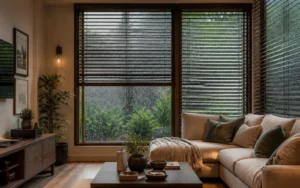
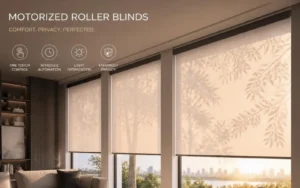
- Automated Window with Roller Blinds: A smart window with a roller blinds system offers effortless control over privacy, natural light, and room comfort.
- Personalised Guest Preference Systems: Remember individual preferences for a more tailored stay experience.
- Smart Mini-Bar Management: Tracks inventory automatically and improves operational accuracy.
- Housekeeping Automation: Streamlines room management and improves staff productivity.

Why Smart Automation Is Becoming Essential for Hospitality Businesses
Guest expectations are evolving faster than ever. Today’s travellers expect quick, convenient, and personalised experiences throughout their stay, making smart automation a necessity rather than a luxury. Features such as mobile check-ins, digital room keys, automated service requests, and personalised room settings help hotels deliver the seamless experience modern guests have come to expect.
Beyond enhancing guest satisfaction, smart automation also improves operational efficiency. Technologies such as housekeeping automation, smart mini-bar management, intelligent climate control, and window roller-blind automation help reduce manual effort, optimise resource use, and streamline daily operations. This allows staff to focus more on delivering exceptional service rather than managing repetitive tasks.
As competition within the hospitality industry continues to grow, smart automation gives businesses the ability to offer greater comfort, consistency, and convenience while maintaining efficient operations. For hotels looking to stay relevant and future-ready, investing in a connected smart ecosystem is becoming increasingly essential.
FAQs
Q1. Does smart automation replace hotel staff?
No. It supports staff by reducing repetitive tasks and improving efficiency.
Q2. Can guests still choose traditional services?
Yes. Automation adds convenience without removing human assistance.
Q3. Are smart hospitality systems easy to use?
Most are designed to be simple, intuitive, and guest-friendly
Q4. Can automation help hotels save energy?
Yes. Smart systems optimise lighting, temperature, and other resources.
Q5. Do smart rooms require technical knowledge to operate?
No. Most controls are designed to be user-friendly.
Conclusion
Hospitality has always been about making guests feel welcome. Today, technology is helping hotels achieve that goal in smarter and more meaningful ways.
By combining automation, personalisation, and convenience, modern hospitality businesses can create stays that feel seamless from arrival to departure. Whether it’s intelligent room controls, automated service requests, or window with roller blinds automation, every touchpoint contributes to a better guest experience.
With solutions that support a connected and efficient hospitality ecosystem, Dooya is helping hotels create spaces that are not only smarter but also more comfortable, responsive, and future-ready.