
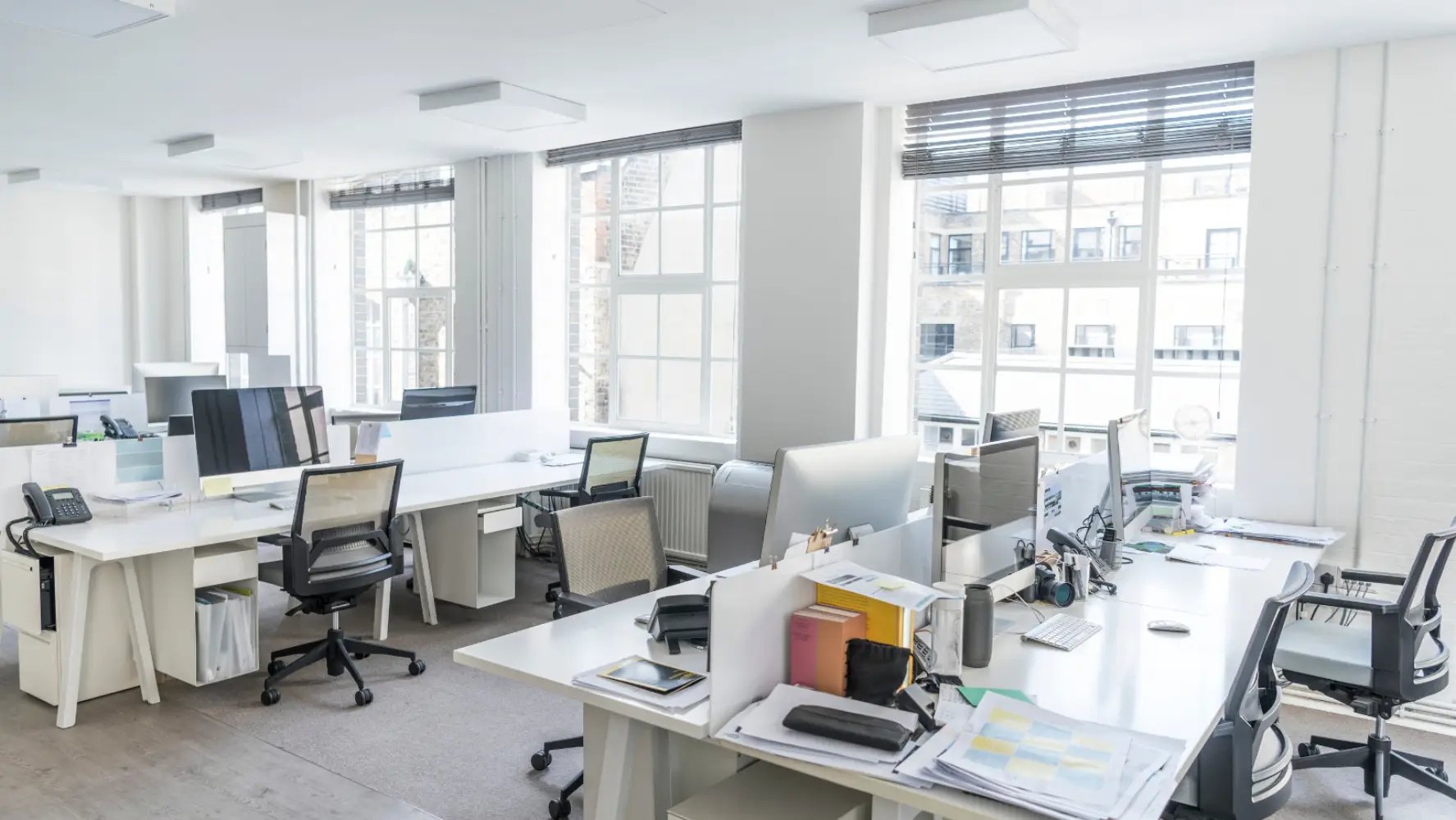
Natural light has a remarkable impact on both productivity and mood in the workplace. Daylight optimisation can transform a dull, boring office chore into a vibrant and energising environment that sparks creativity and promotes collaboration. But too much sunlight can sometimes become uncomfortable. Glare on screens, uneven brightness, and rising indoor temperatures are common challenges many offices face every day.
That’s why modern workplaces are rethinking how they control light. Instead of relying on manual curtains, offices are now turning to technology-driven solutions.
In this blog, we’ll explore how technology can help you take better control of natural light with the help of roller blinds for office windows, improve comfort, and create a workspace that supports productivity throughout the day.
The Role of Natural Light in a Comfortable Office
Natural light plays a much bigger role in the workplace than we often realise. Offices that receive ample daylight tend to feel more spacious, positive, and less tiring compared to spaces that rely heavily on artificial lighting.
Exposure to natural light helps employees stay alert, supports better concentration, and even reduces eye strain. It creates a more balanced environment where work feels less draining, especially during long hours. From open workstations to meeting rooms, the right amount of daylight can make spaces feel more inviting and comfortable.
Daylight also helps the body stay aligned with natural energy cycles, making mornings feel more active and afternoons less exhausting. For modern offices that value employee well-being, this makes natural light an essential element, not just a design feature.
Traditional vs. Technology-Driven Light Control
For a long time, offices relied on traditional methods to control natural light, such as manual curtains, basic blinds, or tinted glass. While these solutions served their purpose, they often required constant attention. Someone had to open or close blinds multiple times a day, depending on the sun’s position.
Traditional light control also tends to be inconsistent. One part of the office may be flooded with sunlight while another feels dim, leading to discomfort and distractions. Over time, frequent handling causes wear and tear, making these solutions less reliable.
Technology-driven light control takes a completely different approach. Instead of reacting to sunlight, smart systems anticipate it. Automated roller blinds for office windows adjust based on time, light intensity, or preset schedules, creating a more balanced environment throughout the day.
Using Technology to Manage Natural Light More Effectively
Offices nowadays are designed to be responsive, and light control is no exception. Modern technology offers a range of daylight controls that can enhance how natural light interacts with your office environment.
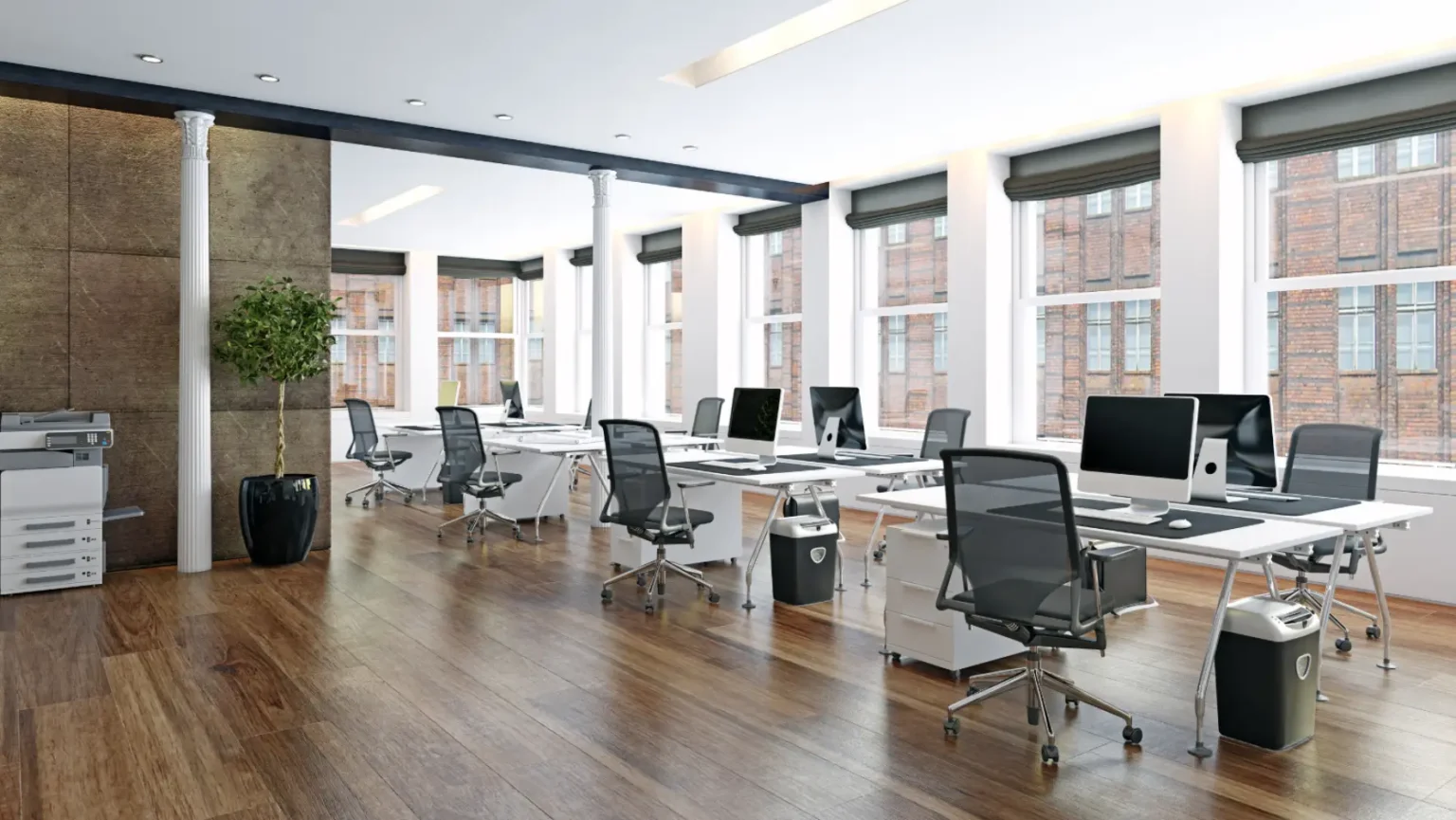
Automated roller blinds for office windows can be programmed to follow daily schedules or respond to environmental conditions. When sunlight increases, blinds adjust to reduce glare and heat. On the other hand, if it is cloudy, they open slightly to allow as much light as needed to keep the office bright.
Instead of reacting to discomfort, the office proactively creates an environment that supports focus, comfort, and productivity.
Integrating an Automatic Roller Blind into a Smart Office
Automatic roller blinds integrate seamlessly into smart office environments because they are designed to work quietly in the background. Once installed, they can be connected to smart wall switches, mobile apps, or centralised control systems, allowing multiple windows to be managed at once.
Blinds can be programmed to follow office routines, opening gradually in the morning and adjusting automatically as sunlight intensifies. When paired with other smart systems, they help regulate indoor temperatures and reduce dependency on artificial lighting.
Benefits of Automated Blinds for Daily Office Operations
In daily office operations, efficiency matters. Automated roller blinds for office windows contribute to reducing energy waste and simplifying light management across the workspace.
Consistent lighting throughout the day
Automated blinds adjust as sunlight changes, preventing sudden glare or uneven brightness. Employees experience a stable visual environment from morning to evening.
Improved employee focus and productivity
With reduced screen glare and better light balance, employees can concentrate without constantly shifting positions or adjusting blinds.
Less manual intervention
No more stopping work to open or close blinds. Everything runs smoothly in the background, allowing teams to stay focused.
Better temperature control
By limiting excessive heat from direct sunlight, automated blinds help maintain a more comfortable indoor climate.
Effortless management for large offices
Centralised control simplifies daily operations and reduces the need for constant monitoring.
Integrating Smart Light Control into Your Office Design
Smart light control is most effective when it’s treated as part of the office design, not an afterthought. Instead of adding systems later to fix lighting issues, modern offices plan daylight management alongside layout, interiors, and technology.
The process often starts with understanding how natural light enters the space. Windows that receive strong sunlight may need greater control, while shaded areas can benefit from lighter filtering. Once this is mapped, smart solutions such as automated roller blinds for office windows can be integrated seamlessly into the overall design.
With trusted solutions from Dooya, you can get a practical and elegant option, seamlessly integrating technology into your office design without compromising style or simplicity.
Choosing the Right Solution for Your Office Windows
Choosing the right roller blinds for office windows starts with identifying the challenges your space faces. Too much sunlight can cause glare, heat buildup, and discomfort. Too little can make the office feel dim and uninspiring.
Key factors to consider:
- Window size and orientation: South or west-facing windows may need more light control, while shaded areas might only require light-filtering blinds.
- Level of light control required: Decide between light-filtering fabrics for gentle brightness or blackout options for conference rooms and sensitive areas.
- Ease of operation: Automated systems should be intuitive, whether controlled via remote, wall switch, or mobile app.
- Integration with existing office systems: Ensure compatibility with smart office ecosystems for seamless control.
- Durability and maintenance: Choose reliable motors and high-quality fabrics to minimise wear and ensure long-term performance.
FAQ’s
Q1. Can different zones in the office have separate lighting schedules?
Yes. Modern systems allow zoning, so workstations, meeting rooms, and common areas can each have customised light control.
Q2. Can smart roller blinds be integrated with other office systems like HVAC or lighting?
Yes. Many smart solutions, including Dooya, can integrate with HVAC and lighting systems to optimise energy efficiency and comfort automatically.
Q3. Are these systems complicated to operate for employees?
Not at all. Most automated solutions are designed for ease of use.
Q4. Can smart blinds help reduce eye fatigue?
Yes. Automated systems maintain consistent lighting levels throughout the day, minimising sudden glare or harsh sunlight that can strain eyes.
Q5. Do automated roller blinds for office windows protect furniture and interiors from UV damage?
Absolutely. Many modern fabrics filter UV rays, helping prevent fading of furniture, carpets, and artwork.
Conclusion
Traditional methods like manual curtains or basic blinds often fall short in addressing the dynamic nature of daylight. Technology-driven solutions, such as automated roller blinds for office windows, allow offices to adapt effortlessly to changing sunlight, while providing consistent light levels across different zones and workspaces. Thoughtful light control can reduce glare, prevent overheating, and maintain consistent brightness, all of which contribute to a healthier and more efficient work environment.
Beyond comfort, smart systems also contribute to energy efficiency, operational ease, and even subtle improvements in employee focus and alertness. By blending smart technology with thoughtful design, offices can achieve a balance of natural light, aesthetics, and productivity that manual solutions simply can’t match.
With reliable solutions like Dooya’s automated roller blinds, your office can effortlessly adapt to changing daylight, combining style, comfort, and efficiency in one smart package