
Have you noticed that your sofa, curtains, wooden flooring, rugs, or artwork no longer look as vibrant as they once did? Perhaps the side of your furniture facing the window has become noticeably lighter than the part protected from sunlight.
The problem may not be the quality of your furniture. Sunlight entering through your windows can gradually cause fading, discolouration, and material deterioration. Ultraviolet (UV) radiation is a major contributor, while visible light and solar heat can also play a role.
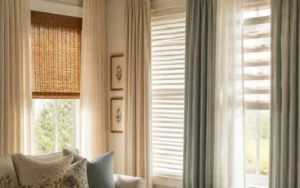
The good news is you don’t necessarily have to keep your windows covered all day. The right window blinds and curtains can help manage sunlight, glare, heat, and privacy while letting you keep enjoying natural daylight.
Why Does Furniture Fade Near Windows?
Furniture fading is primarily caused by prolonged exposure to sunlight. When sunlight reaches coloured fabrics, dyes and materials, the energy can gradually break down the chemical structures responsible for their colour.
UV radiation is particularly important because prolonged exposure can contribute to both colour fading and deterioration of textile fibres.
However, fading is not caused by UV radiation alone. Several factors can work together:
● UV radiation: Can break down dyes and weaken certain fibres.
● Visible light: Prolonged exposure to visible light can also contribute to colour changes.
● Solar heat: Heat can accelerate material ageing and affect finishes.
● Material quality: Different fabrics, dyes, wood finishes, and upholstery materials have different levels of resistance.
● Duration of exposure: Furniture exposed to sunlight for several hours every day is more vulnerable.
● Window orientation: Windows receiving stronger direct sunlight generally require more effective light management.
This means even an expensive sofa can eventually show signs of fading if it remains exposed to intense sunlight without adequate protection.
Which Items in Your Home Are Most at Risk?
Sunlight can affect much more than your sofa. Any material positioned close to a bright window may experience gradual changes.
| Interior Item | Possible Effect of Prolonged Sun Exposure |
| Upholstered sofas | Fading, colour variation and fibre deterioration |
| Curtains | Colour fading and fabric weakening |
| Wooden furniture | Discolouration and changes to surface finishes |
| Wooden flooring | Uneven colour or visible fading |
| Rugs and carpets | Faded patterns and colours |
| Artwork | Colour deterioration |
| Photographs | Fading and loss of colour |
| Books | Paper discolouration |
| Leather furniture | Dryness, fading and surface deterioration |
The effect is often easiest to notice when you move an object that has remained in the same position for a long time. The protected area underneath may retain its original colour while the exposed area appears significantly lighter.
Why Your Windows May Be the Missing Piece
When homeowners notice fading, they often consider replacing the furniture or changing the fabric. But if the source of the problem remains unchanged, the replacement can eventually experience the same issue.
This is where window blinds and curtains become an important part of interior protection.
A window covering acts as a controllable barrier between direct sunlight and the room. Depending on the product and fabric, it can help reduce the amount of sunlight reaching furniture, floors, and other interior surfaces.
The objective is not necessarily to eliminate natural light. Instead, effective window treatments allow you to manage the intensity and timing of sunlight.
How Window Blinds and Curtains Help Protect Furniture
The right combination of window treatments can provide several layers of protection.
1. Reduce Direct Sunlight
Closing blinds during periods of strong direct sunlight can reduce the amount of light reaching your furniture. This is particularly useful for windows that receive intense morning or afternoon sunlight.
2. Control UV Exposure
Some window-covering fabrics are specifically designed to provide solar and UV control. The effectiveness depends on the fabric construction, openness, colour, and product specifications, so manufacturers’ performance information should be checked rather than assuming every blind provides the same level of protection.
3. Manage Heat
Strong sunlight can make surfaces near windows noticeably warmer. Window treatments can help reduce solar heat entering the room, improving comfort as well as helping protect interior materials.
4. Reduce Glare
Glare can make televisions, monitors, and glass surfaces difficult to use comfortably. Adjustable blinds allow you to control incoming light without necessarily making the room completely dark.
5. Create Flexible Protection
Unlike permanent solutions, window blinds and curtains can be opened when you want natural light and closed when sunlight becomes intense.
Which Window Blinds Are Best for Sun Protection?
Not all window blinds and curtains perform in the same way. Your choice should depend on the room, window orientation, furniture placement, desired daylight, and level of protection required.
Roller Blinds
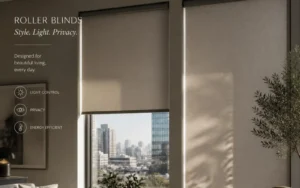
Roller blinds are a practical choice for rooms with strong sunlight because the fabric can cover the window consistently while providing adjustable light control.
Depending on the fabric, roller blinds can offer:
● Light filtering
● Glare reduction
● Privacy
● Solar control
● Blackout performance
● Motorised operation
Solar-screen or specially designed fabrics can provide a balance between daylight and solar control while maintaining some outside visibility.
Honeycomb Blinds
Honeycomb blinds use a cellular construction designed to create insulating air pockets. They can be considered where both light management and thermal comfort are important. They are particularly suitable for bedrooms, living rooms, and other spaces where maintaining a comfortable indoor temperature is a priority.
Venetian Blinds
Venetian blinds allow you to adjust the angle of the slats, giving you control over the direction and amount of incoming light. This can be useful when you want to reduce direct sunlight while still allowing some daylight into the room.
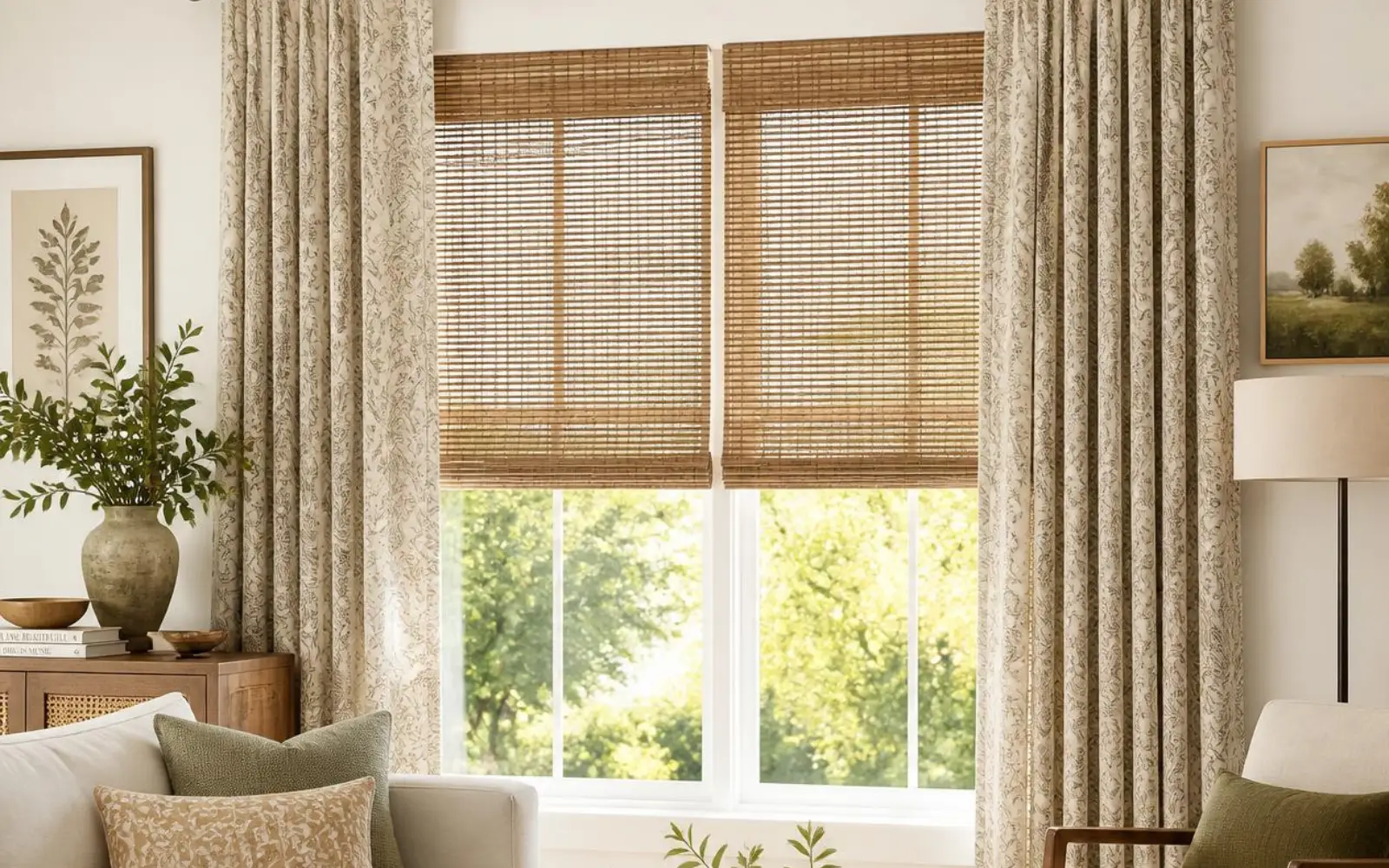
How Curtains Can Help Prevent Furniture Fading
Curtains can provide an additional layer of protection, particularly when selected with the right fabric and lining.
A lined curtain can place an additional barrier between sunlight and the decorative face fabric. For rooms exposed to strong sunlight, selecting a suitable lining can help improve light and thermal control.
Consider:
● Blackout curtains for strong light control
● Lined curtains for an additional protective layer
● Sheer curtains for softer daylight and privacy
● Layered curtains and blinds for flexible control
Layering is particularly useful because it allows you to adjust the amount of light according to the time of day.
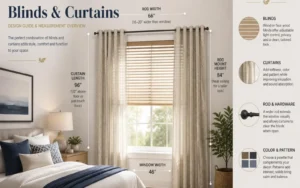
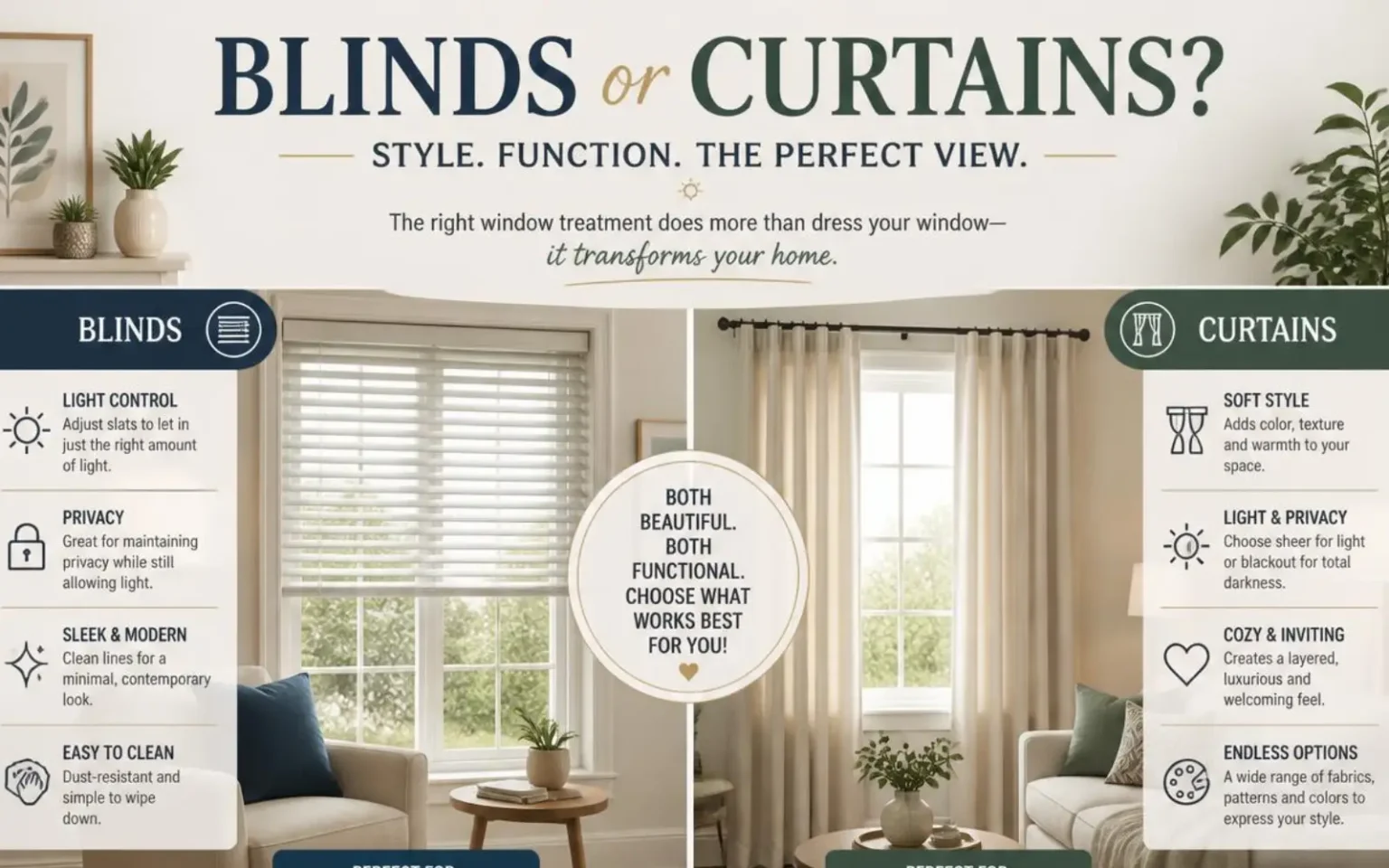
Window Blinds and Curtains: Which Should You Choose?
The best solution depends on what you want to achieve.
| Requirement | Recommended Approach |
| Maximum daylight | Light-filtering blinds or sheers |
| Strong glare control | Roller or solar-screen blinds |
| Bedroom darkness | Blackout blinds or curtains |
| Flexible light control | Blinds with curtains |
| Decorative appearance | Curtains |
| Smart operation | Motorised blinds or curtains |
| Large windows | Motorised roller blinds or curtain systems |
| Multiple windows | Automated grouped control |
For many modern interiors, combining window blinds and curtains provides greater flexibility than relying on one treatment alone.
Motorised Window Blinds and Curtains: A Smarter Way to Protect Interiors
One of the biggest challenges with sun protection is remembering to close the window treatments at the right time. Motorisation can make this easier. With a suitable motorised system, window blinds and curtains can be operated using compatible controls, depending on the system.
This can be particularly valuable for:
● Large windows
● Floor-to-ceiling glazing
● Multiple windows
● High or difficult-to-reach windows
● Homes with smart-home systems
● Offices and commercial spaces
With automated operation, window treatments can be adjusted when sunlight becomes strong, helping you maintain more consistent control over the room throughout the day
Practical Ways to Reduce Furniture Fading
Window treatments are an important part of the solution, but a few everyday habits can provide additional protection.
Rearrange Furniture Periodically
If practical, occasionally change the position of furniture and rugs so that one area does not receive continuous direct sunlight.
Rotate Cushions
Rotate and reverse cushions periodically to help distribute exposure more evenly.
Use Layered Window Treatments
Combining window blinds with curtains allows you to adjust the level of sunlight according to the conditions outside.
Close Treatments During Peak Sun
You do not need to keep window blinds and curtains closed throughout the day. Focus on periods when direct sunlight reaches the furniture most strongly.
Choose Fade-Resistant Materials
When purchasing new furniture or upholstery for a bright room, ask about the material’s resistance to sunlight and fading. Some performance fabrics are specifically designed to retain colour better under demanding conditions.
Why Motorised Window Treatments Make Sense for Modern Homes
Protecting your interiors should not mean sacrificing the natural light that makes your home feel comfortable and welcoming.
The right window blinds and curtains allow you to find a balance between daylight, privacy, comfort, and furniture protection. Motorisation makes that balance easier to manage, particularly when there are several windows or large areas of glass.
Dooya offers motorised solutions for curtains and different types of blinds, helping homeowners and commercial spaces bring convenient automated control to their window treatments.
Final Thoughts
Fading furniture is not simply a sign that your sofa or curtains are getting old. Long-term exposure to sunlight can gradually affect colours, fabrics, wood, leather, flooring, artwork, and other interior materials.
The most effective approach is to manage sunlight before it becomes a problem. Choosing the right window blinds and curtains, using appropriate fabrics, layering treatments where necessary, and considering motorised operation can help you control sunlight while maintaining the comfort and appearance of your interior.
Instead of waiting until your furniture has visibly faded, consider your windows as an important part of your interior-protection strategy. A well-planned window treatment can provide everyday control over light, privacy, glare, and solar exposure, helping your interiors stay beautiful for longer.
Frequently Asked Questions
Do window blinds prevent furniture from fading?
Window blinds can reduce sunlight exposure and therefore help minimise fading, but the level of protection depends on the blind fabric, construction, coverage, and amount of sunlight reaching the window.
Are blackout curtains good for preventing furniture fading?
Blackout curtains provide strong light control and can significantly reduce sunlight reaching the room when fully closed. Their actual UV performance depends on the specific fabric and construction.
Are roller blinds good for sunny rooms?
Yes. Roller blinds are available in different fabric options, including light-filtering and solar-control materials, making them suitable for managing sunlight and glare.
Can curtains and blinds be used together?
Yes. Combining window blinds and curtains provides greater flexibility for managing daylight, privacy, glare, and solar exposure.
Can motorised blinds help protect furniture?
Motorised blinds can make it easier to close window treatments during periods of strong sunlight, especially when windows are large, numerous, or difficult to reach.
Why does furniture fade near windows?
Prolonged exposure to sunlight is a major cause. UV radiation, visible light, heat, material characteristics, and duration of exposure can all contribute to fading and material deterioration.